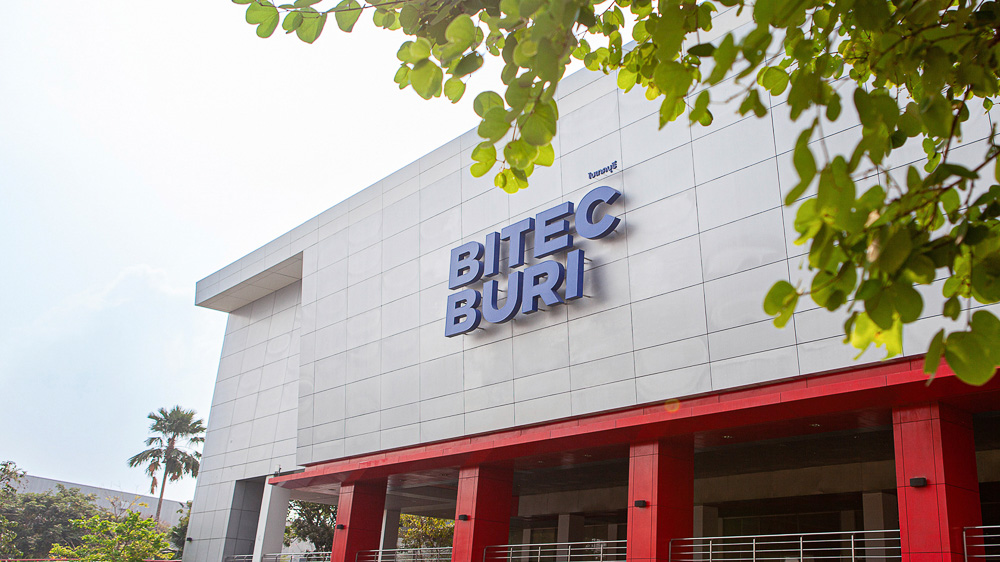
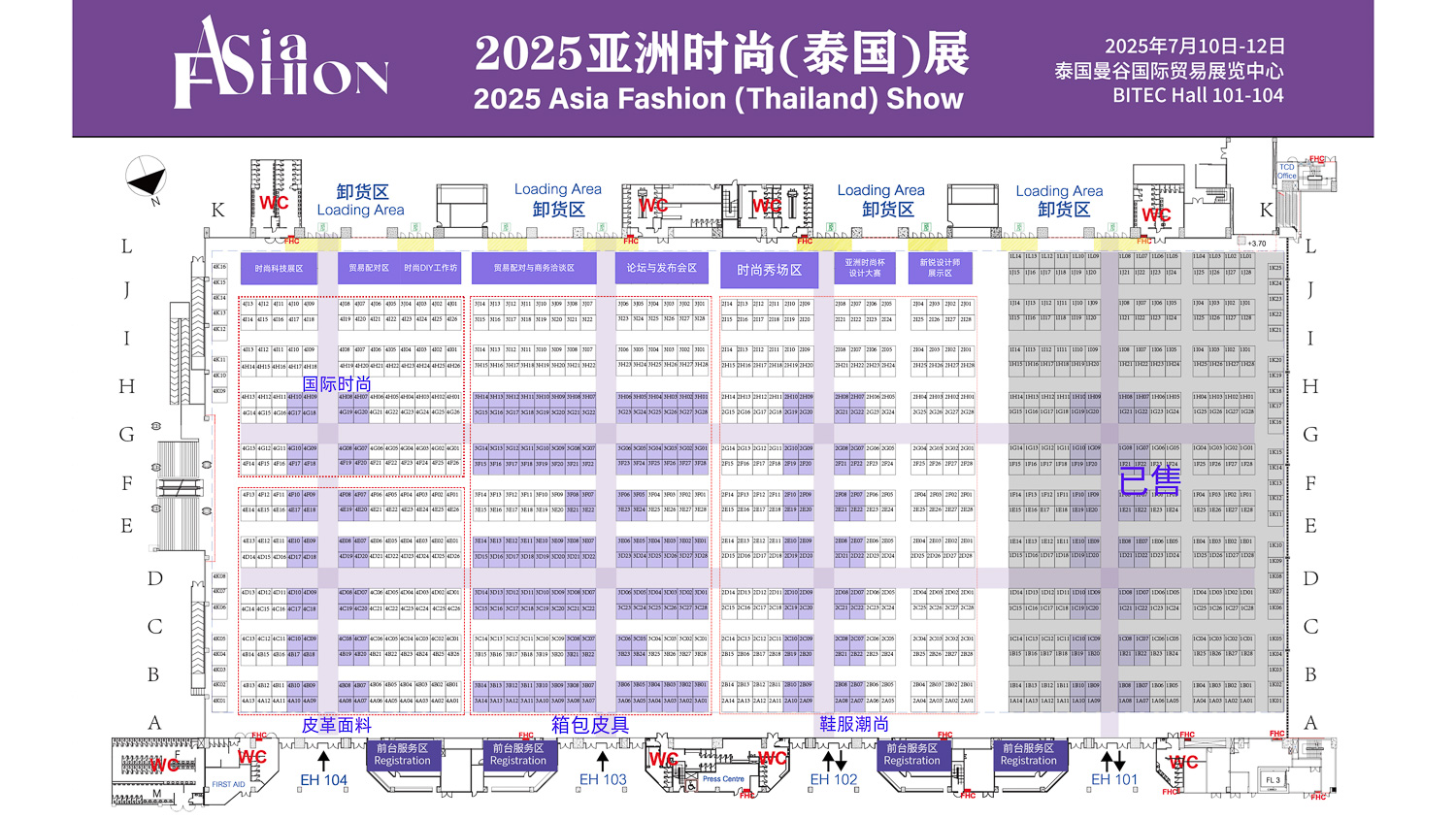
Asia Fashion Thailand Show 2026 will take place from July 9 to 11, 2026, at BITEC Bangkok. According to the official event information, the show covers bags and luggage, footwear, apparel, materials, fashion accessories, beauty, and personal care products.
For bag buyers and leather goods brands, this show is not only about finding suppliers. It is also a place to see what the Asian fashion market is showing in color, material, shape, function, and price level.
What Is Asia Fashion Thailand Show 2026?
Asia Fashion Thailand Show is a B2B fashion trade show in Bangkok. Its product range is wider than a leather goods fair. Visitors can see bags, luggage, shoes, clothing, materials, accessories, and lifestyle-related products in one place.
That wider mix is useful. Bags are rarely developed alone. A handbag may follow the same color direction as footwear. A travel bag may borrow details from outdoor or lifestyle products. A small leather good may be influenced by fashion accessories, packaging, or gift items.
For buyers, this kind of show can help answer a simple question: what is the market already paying attention to?
Official details are available from the Asia Fashion Thailand Show official page and the BITEC event listing.
Meet HONG STUDIO at Asia Fashion Thailand Show 2026
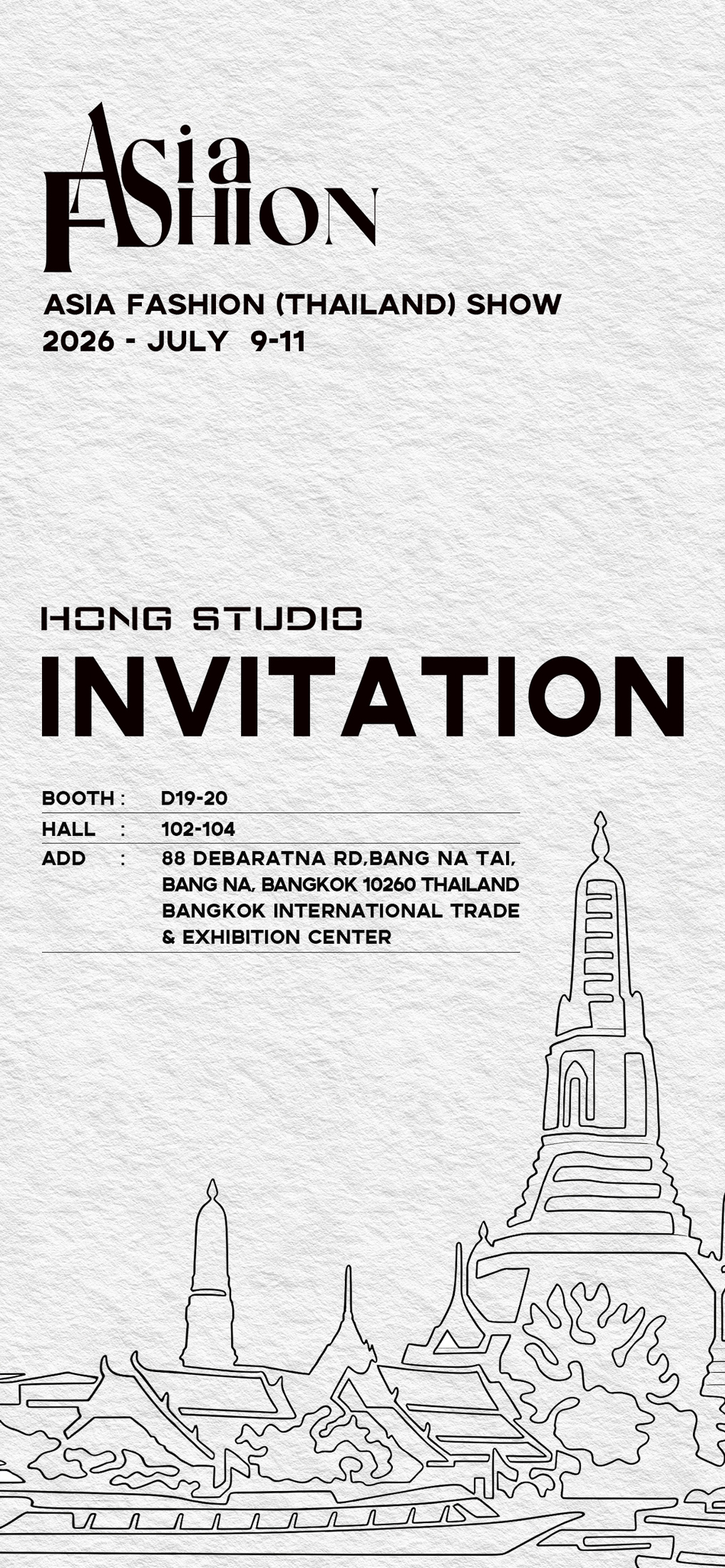
HONG STUDIO will be exhibiting at Asia Fashion Thailand Show 2026 in Bangkok from July 9–11, 2026. Visit us at Booth D19-20, Hall 102-104, BITEC Bangkok.
We welcome bag brands, buyers, and sourcing teams to meet us on site and discuss OEM/ODM development, sampling, and production.
HONG STUDIO
Asia Fashion Thailand Show 2026
Booth D19-20
Hall 102-104
Why It Matters for Bag and Leather Goods Buyers
A bag buyer can use this show as a quick market check.
Instead of only looking at finished bags, buyers can compare bags with shoes, apparel, materials, trims, and accessories. This helps reveal whether certain colors, textures, shapes, or price ranges are appearing across different categories.
For leather goods brands, the useful signals may include:
- Are bags becoming softer or more structured?
- Are lightweight materials being used more often?
- Are suppliers showing recycled, synthetic, or alternative materials?
- Are travel and daily-use functions more visible?
- Are products focused on premium details or more price-sensitive retail?
- Are hardware and trims becoming cleaner, bolder, lighter, or more decorative?
These observations are practical. They can help a brand decide whether a new collection should focus on daily-use bags, travel accessories, soft casual shapes, small leather goods, or material-driven products.
What Buyers Should Look For
Bags and Luggage
This is the most direct category for leather goods and bag buyers. Look at handbag shapes, tote bags, crossbody bags, backpacks, travel goods, small leather goods, and lifestyle accessories.
Do not only look at appearance. Check structure, weight, zipper quality, handle construction, strap design, lining, and finishing. These details often tell more than the front view of the product.
Materials and Surface Feel
Material choice affects cost, durability, hand feel, production stability, and brand positioning.
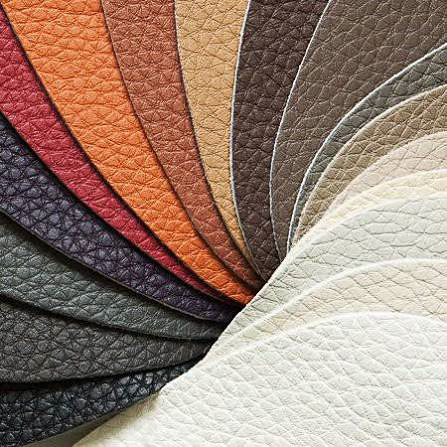
Buyers should look closely at leather, synthetic leather, textiles, recycled materials, linings, webbing, and surface finishes. Ask whether the material is suitable for the product structure, not only whether it looks good on a sample.
For example, vegetable-tanned leather can give a product a natural texture and a stronger material story, but it also needs careful design planning, edge treatment, and production control.
Hardware, Trims, and Details
Hardware is often where cost and quality become visible. Buckles, zippers, chains, magnetic closures, logo parts, and strap adjusters all affect how a bag feels in daily use.
At a trade show, buyers can quickly compare whether suppliers are using standard hardware, custom parts, lightweight trims, or more premium metal finishes. This is useful when planning a new collection or setting a target price.
Price and Positioning
A trade show also helps buyers understand product positioning. Some products are made for fast retail. Some focus on better materials and stronger construction. Others are designed for gift, travel, lifestyle, or promotional use.
For brands, this matters before development starts. The same bag concept can become a low-cost item, a mid-market product, or a premium collection piece depending on material, structure, hardware, and finishing.
How to Prepare Before Visiting
A good trade show visit starts before the first meeting.
Buyers should prepare a clear product direction, target price, expected order quantity, material preference, and launch timeline. For custom bags or leather goods, a simple tech pack, reference sample, or mood board can make supplier discussions much more efficient.
It is also useful to prepare questions around MOQ, sampling time, material options, testing requirements, packaging, and export experience.
For brands developing custom leather goods, HONG STUDIO’s Leather Goods R&D and OEM & ODM Development Pathways pages explain how product ideas move from reference, material selection, sampling, and structure development into production.
Questions to Ask Suppliers
Price is important, but it should not be the only question.
Useful questions include:
- Do you support OEM, ODM, or both?
- Can you develop from a reference image or sample?
- What materials do you usually work with?
- What is your MOQ for custom bags or accessories?
- How long does sampling usually take?
- How do you control quality before shipment?
- Can you explain how a sample moves into mass production?
- Do you have experience with export orders?
These questions help buyers understand whether a supplier is only offering products or can also support development and production.
For leather goods, this difference matters. Many problems appear after sampling: structure changes, material replacement, edge finishing, color consistency, hardware strength, and production repeatability. A good supplier should be able to explain how these issues are controlled.
You can learn more about production control on the HONG STUDIO Production page.
Explore more from HONG STUDIO:
Leather Goods R&D
Leather Goods Production
OEM & ODM Development Pathways
Vegetable-Tanned Leather: A Sustainable Choice for the Fashion Industry
Canton Fair and the Leather Goods Industry: A Guangzhou Sourcing Guide
Official event sources:
Asia Fashion Thailand Show Official Page
BITEC Asia Fashion Thailand Show 2026 Event Listing