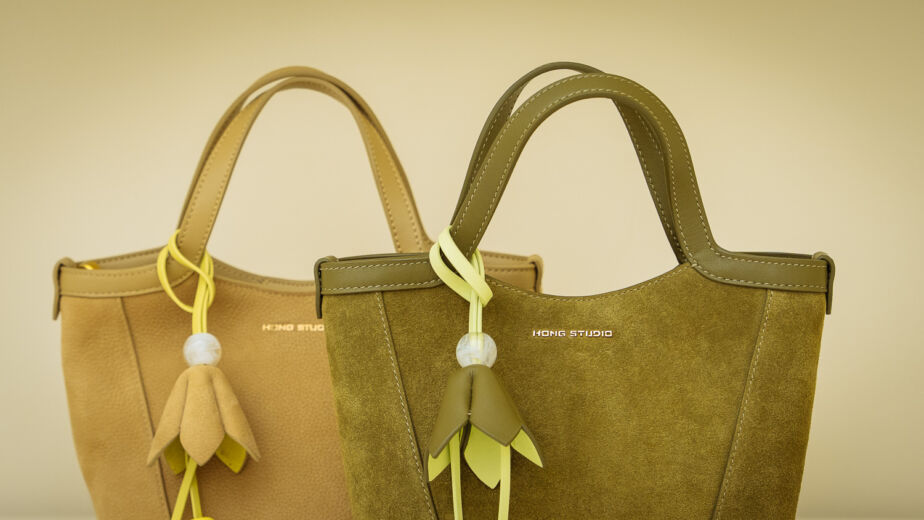
Chinese bag manufacturers should be compared by project fit and verifiable operating evidence—not location or price alone. Establish who will perform the work, whether the team understands the product, and how development connects to production.
Start with the proposed product
A supplier catalogue establishes only broad exposure. Relevant fit depends on the proposed category, material, construction, finish, development work, and production quantity. Experience with lightweight fabric bags, for example, does not by itself establish fit for a structured leather handbag.
Verify who will perform the work
China-based suppliers may operate owned factories, coordinate partner facilities, act as trading companies, or combine these models. Buyers should know where responsibility sits.
Ask:
- Which legal entity and facility will receive the project?
- Where are development, pattern making, sample making, validation, and bulk production performed?
- Which teams are employed directly, and which operations use outside specialists?
- Will the sample and bulk order be made at the same production site?
- Who communicates technical changes and follows production status?
- What direct or documentary evidence confirms the answers?
Do not stop at the claim “factory direct.” Verify the actual people, facility, responsibilities, and evidence behind the proposed product. A trading company or partner-production model is not inherently unsuitable; the issue is whether the operating model is transparent and appropriate for the work.
Ask for evidence relevant to the proposed product
Product fit is better supported by relevant material, construction, and finishing work than by the size of an unrelated catalogue. Development capability appears in how the supplier responds to unresolved feasibility questions. Production evidence should identify the responsible site, applicable equipment and processes, production controls, and who owns issue response.
Certifications, machine lists, and factory photographs may support due diligence, but they do not prove that the proposed team can make the proposed bag. Ask what each item of evidence establishes and whether it applies to the facility and people responsible for the order.
Use development to test the working relationship
A representative development task shows whether the manufacturer identifies missing information, explains trade-offs, records revisions, and takes ownership of technical changes.
Review how the team handles a conflict between appearance and manufacturability, a missing specification, or a required revision. The same communication path will be needed in production.
Compare quotations on the same scope
A lower quotation may describe a different product or service scope. Before comparing prices, align the material specification, hardware, dimensions, construction, finish, branding, development work, validation, packaging, quantity, and unresolved assumptions.
Confirm what will trigger a revised quotation. Changes in leather, custom hardware, reinforcement, construction, color, or product maturity can change the production basis.
Apply the same test to HONG STUDIO
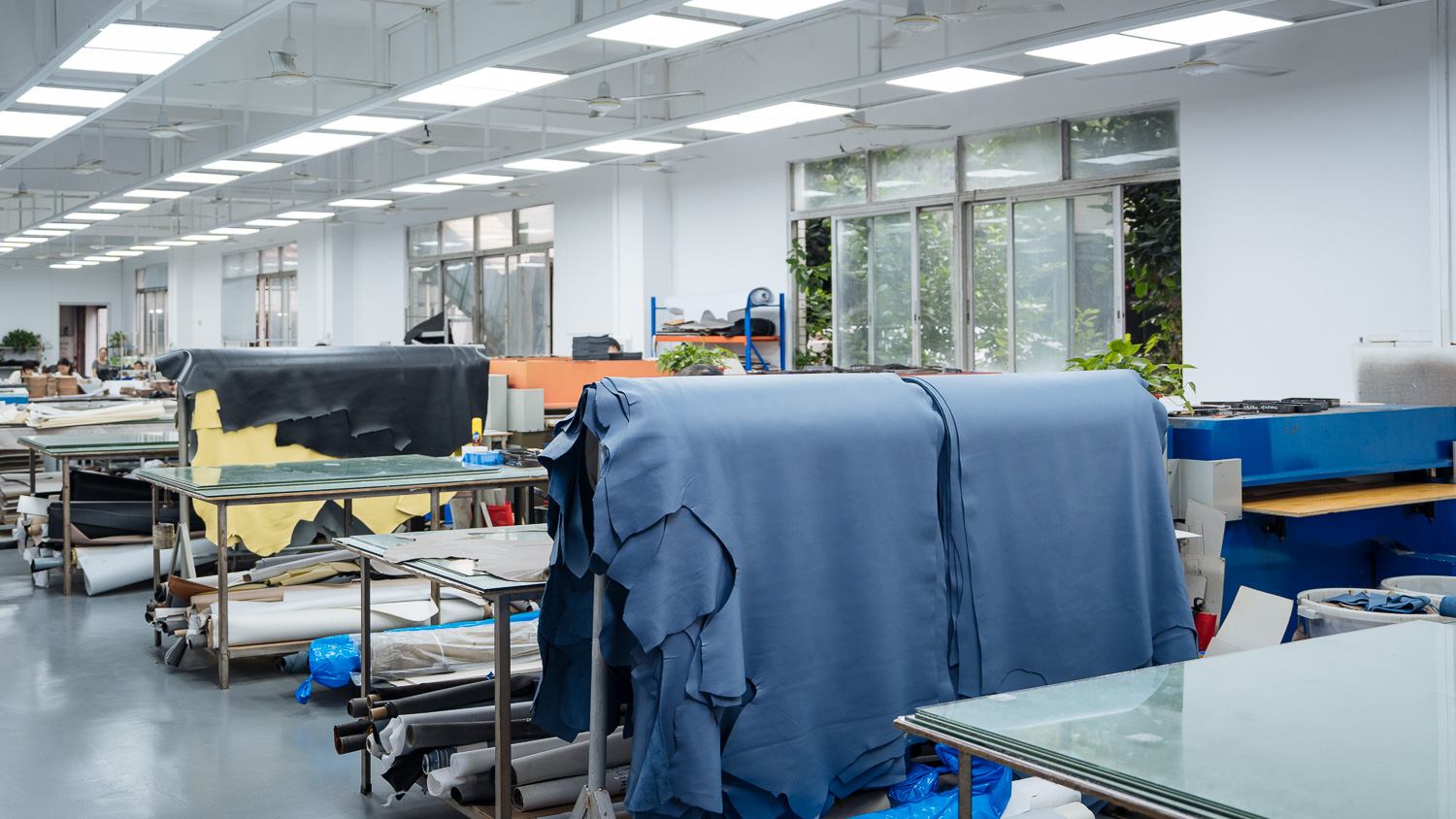
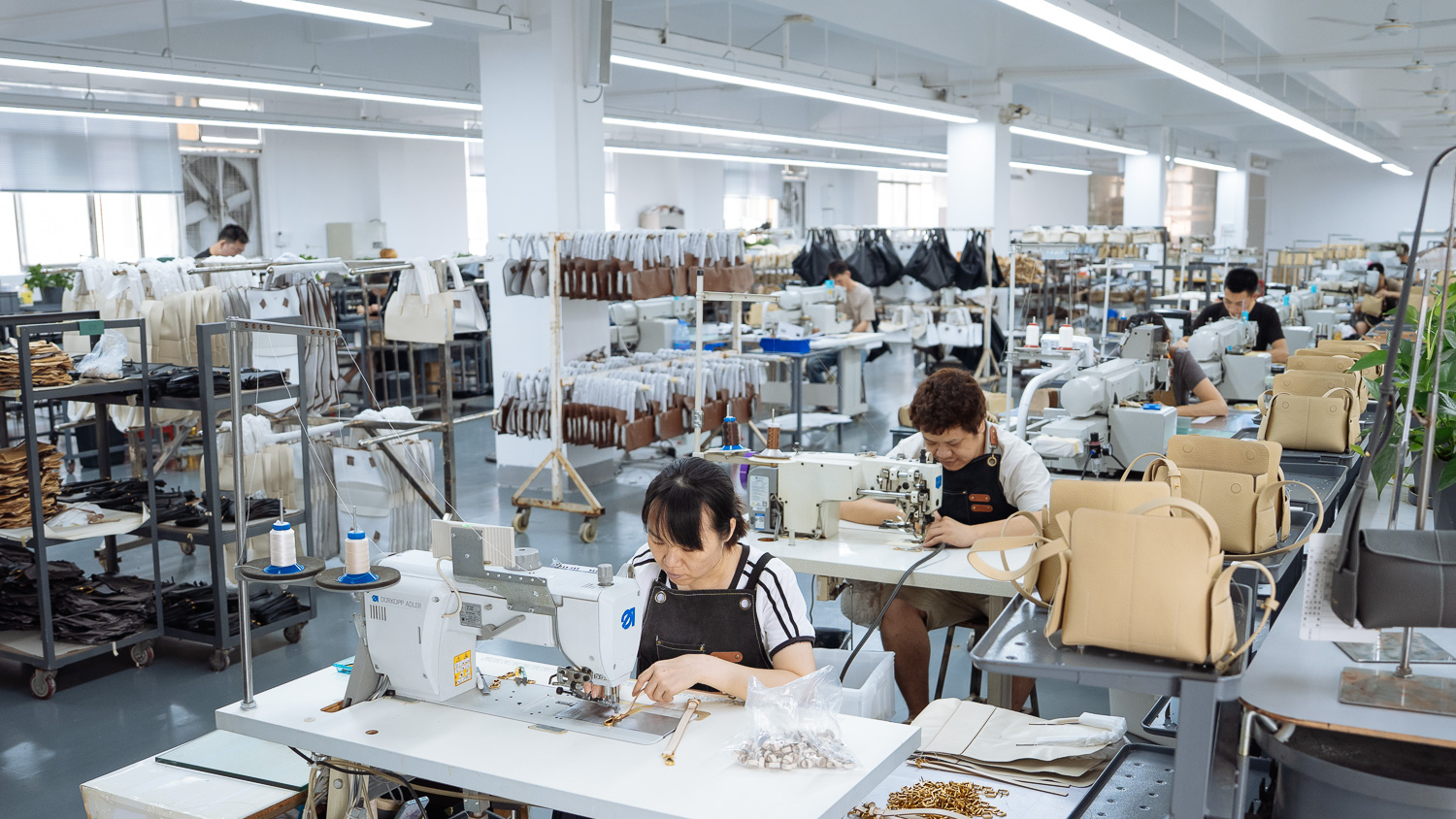
HONG STUDIO is based in Guangzhou and operates its own production facilities. Development, engineering, and bulk production can therefore be evaluated within one responsible operation rather than assumed from a “factory direct” label.
The OEM and ODM manufacturing page describes the commercial partnership, while the Production page provides more detail on the manufacturing operation.
Buyers visiting Guangzhou for the trade-fair route can use the separate Canton Fair leather-goods sourcing guide.
For an initial evaluation, share enough product information for the response to clarify fit, work required, responsible resources, evidence, and quotation assumptions.
Discuss your China-based bag manufacturing requirements with HONG STUDIO