
Bag material sourcing selects the exterior, lining, reinforcement, trims, hardware, and components needed for a bag’s appearance, structure, function, and production.
Start with the product requirement—not a generic material list. A suitable-looking swatch may behave differently once folded, skived, stitched, reinforced, finished, bonded, or attached to hardware.
Start with the product requirement
Define the intended use, contents, carry method, shape, hand feel, finish, and contact points before choosing materials. A soft hobo, structured case, and lightweight travel bag require different relationships among the exterior, backing, reinforcement, lining, and construction.
Material-family names are too broad to settle those choices. Two leathers or synthetic fabrics can behave differently because of thickness, backing, surface finish, temper, or supplier specification. The sourcing question is not simply “leather or fabric?” but which defined material can create the intended result in the assembled bag.






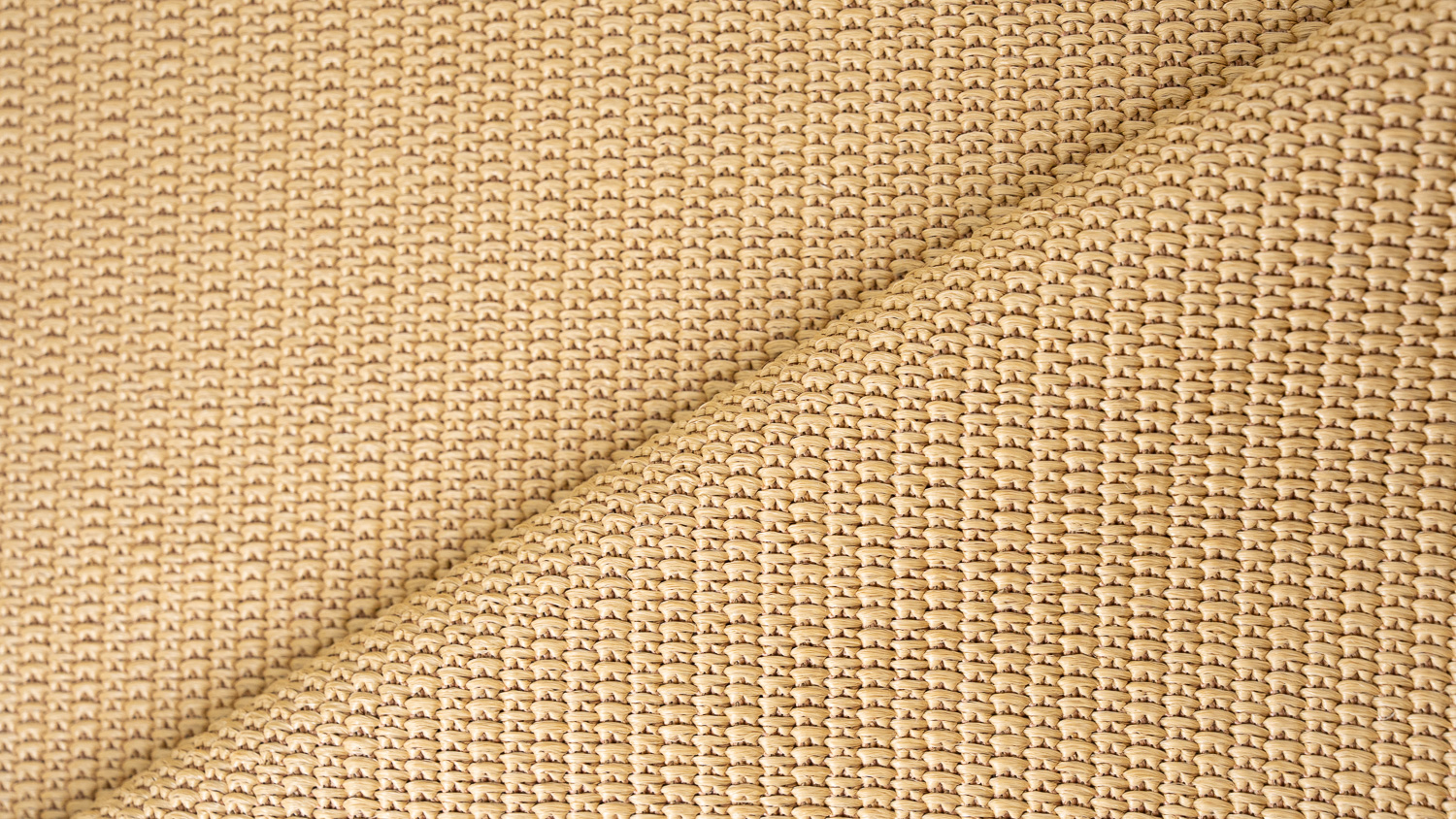
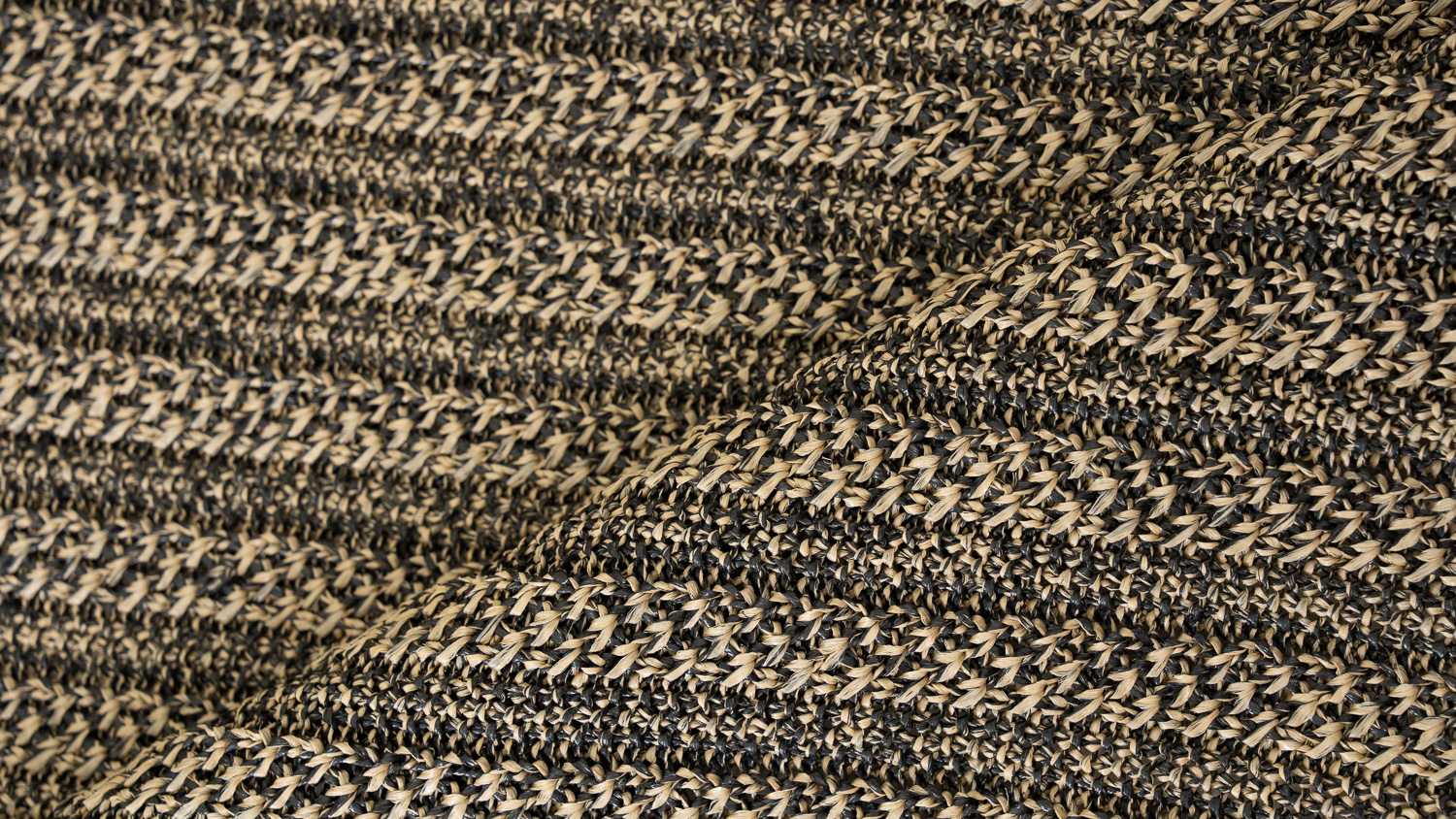
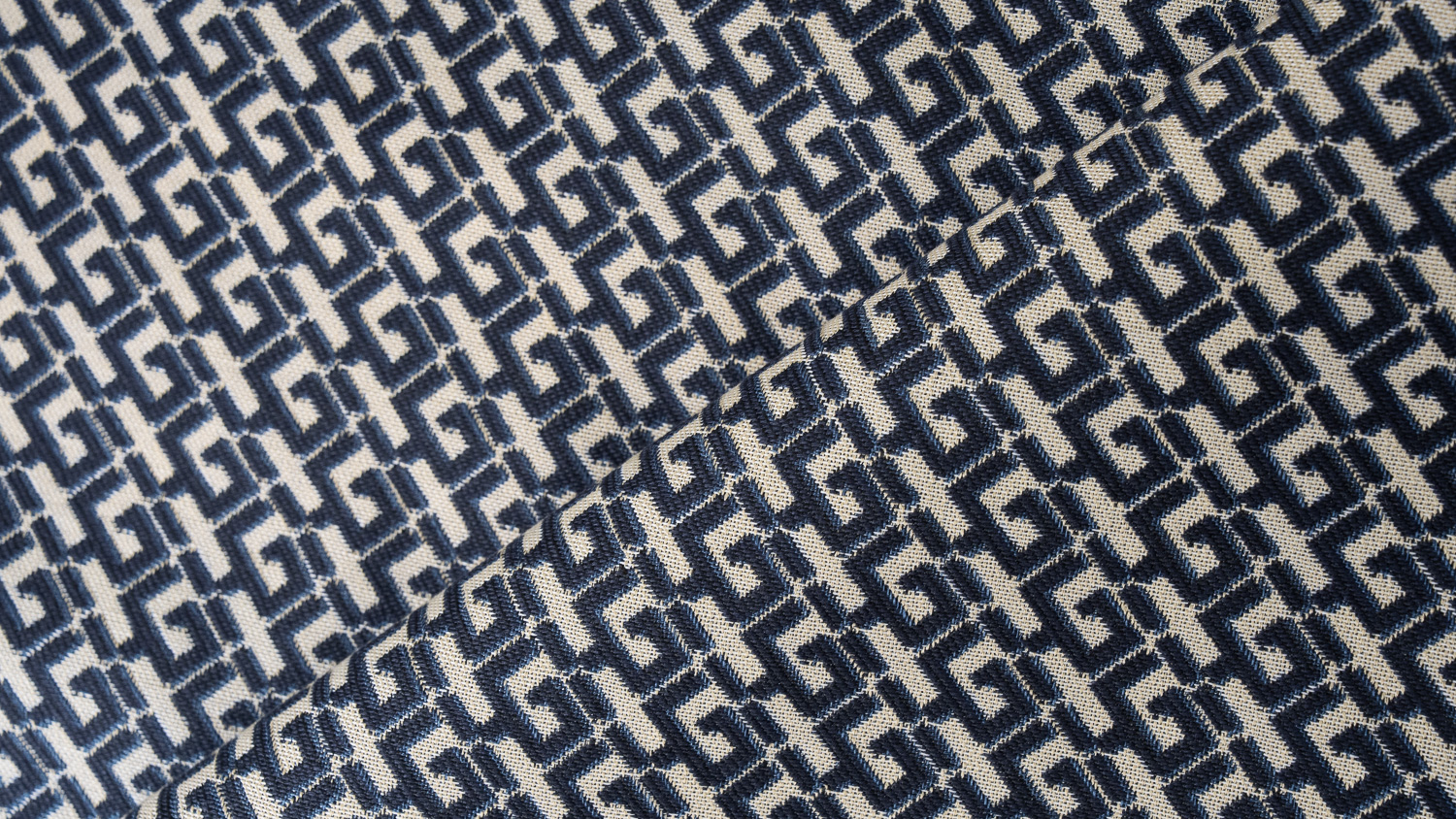
Source a material system, not one surface
The exterior receives most of the visual attention, but the bag works as an assembled system.
| System element | Development question |
|---|---|
| Exterior | Does it provide the intended appearance, hand feel, body, and construction behavior? |
| Lining | Does it support interior function, finish, structure, and assembly? |
| Reinforcement and backing | Where must shape, support, or load transfer be added without creating unwanted stiffness or bulk? |
| Thread, edges, and bonding | Are seam, edge, adhesive, and finishing choices compatible? |
| Hardware and trims | Do weight, attachment, finish, function, and surrounding reinforcement work together? |
A thicker exterior may create bulky seam stacks; a softer body may need different reinforcement; heavy hardware can alter drape and load paths; a new lining may affect assembly order.
HONG STUDIO reviews these relationships through feasibility analysis, construction selection, prototyping, and project-relevant validation. The Research & Development page explains this work.
Compare candidates as production materials
A selected swatch is only a starting point. Before production, resolve the specification and reproduction conditions.
Compare:
- identity, construction, thickness or weight, backing, finish, and color;
- compatibility with patterns, skiving, seams, edges, bonding, reinforcement, and hardware;
- yield, cost direction, production availability, and supplier constraints;
- acceptable variation;
- alignment between samples and production batches;
- re-selection risk if the direction changes or becomes unavailable;
- any required origin, composition, documentation, performance, or destination-market information.
If origin, composition, certification, traceability, or environmental claims matter, define the required documentation during sourcing.
Find the constraint that controls sourcing feasibility
The bag factory’s desired production quantity may not be the only minimum affecting a project. A particular material, custom color, backing, hardware component, or finish can have its own supplier minimum, production run, or availability constraint.
The practical question is: Which material or component is actually controlling the project’s sourcing feasibility? A bag quantity may suit the factory while one specified component remains unavailable at that scale. The response might involve a stock alternative, a different specification, a revised color direction, or a quantity decision—but it should follow identification of the real constraint, not a universal bag MOQ.
Availability also has a timing dimension. A candidate that works in development but cannot be reproduced or reordered consistently creates production risk. Supplier, specification, color, backing, finish, and batch expectations therefore belong in the sourcing decision.
Confirm compatibility in the assembled bag
A swatch cannot show how the full system will fold, stitch, bond, drape, carry hardware, or form an edge. Physical development brings the exterior, lining, reinforcement, thread, bonding, edges, hardware, and trims into one construction so their interactions can be reviewed.
If the material system changes, affected patterns, skiving, reinforcement, construction, finish, or validation may need review as well. Before production, the approved physical result and current material specifications should refer to the same selections.
HONG STUDIO supports material input, custom-developed materials and hardware, mixed constructions, physical development, and production in its own facilities where relevant to the project. The Production page covers the downstream manufacturing context.
Share the intended product behavior, current material direction, expected quantity, and unresolved sourcing constraints for an initial review.